
Paul Caffell's abstract paintings belong to the modernist tradition: they explore the process of mark making, the very language of painting, at the same time as they invoke a sense of intense concentration and stillness. Paul Caffell's work has been inspired by avant-garde music since he began painting in the early 1960s, and belongs to the long search within modernism for an equivalent rhetoric of abstraction for painting. The paintings are at once profoundly gestural and understated, with the marks within an almost monochromic field often being the product of chance, but nonetheless often being delicate, sensitive and demanding careful work by the spectator to distinguish them. Caffell's work, then, is as much about time as it is about the mark: both the time of the painter, the meditated process of production, and the time of the spectator who, in their attention, is displaced from the everyday impacts of modernity on consciousness into their own wrapt, internal, world of experience with the artwork. Looking at a Paul Caffell painting is much like listening to a chamber work by Kurtág, Henze or Nono, both painter and composer demand intense attention and reward it with a radically different form of consciousness.
Professor Christopher Townsend
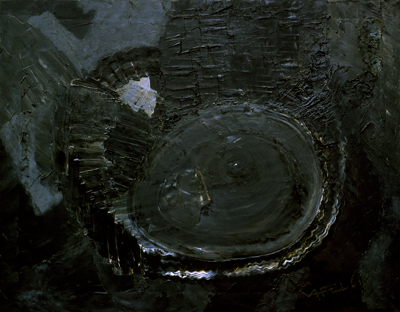
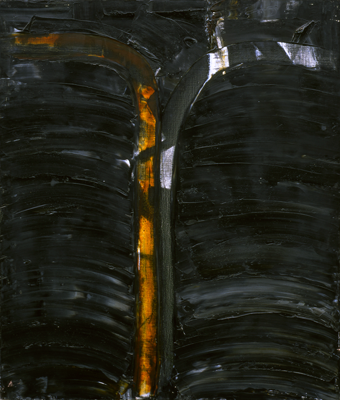
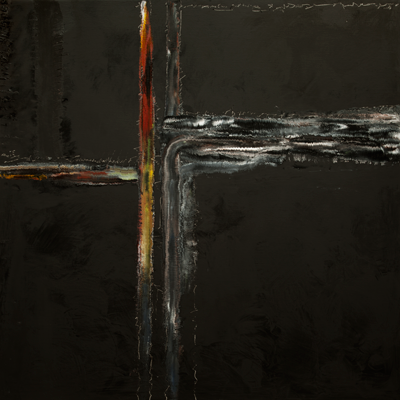
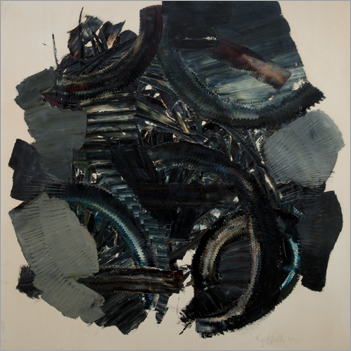
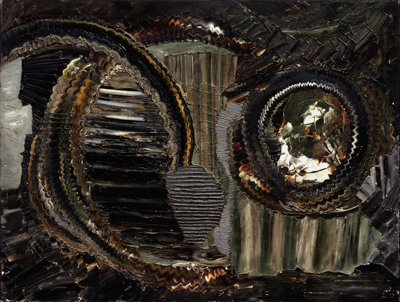
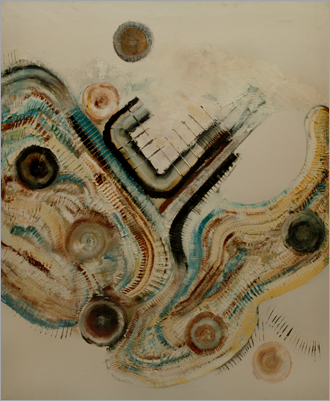
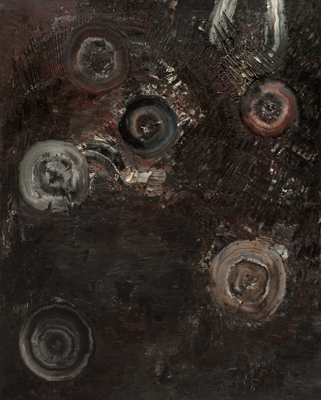
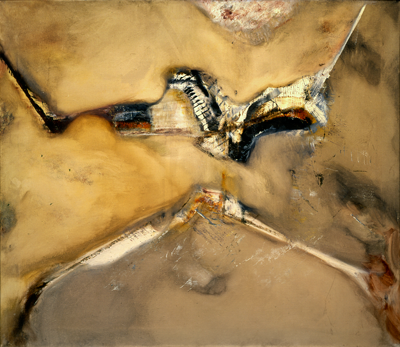
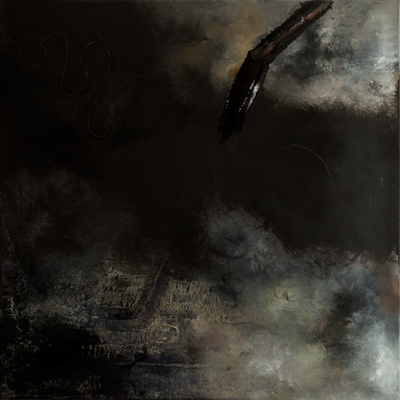
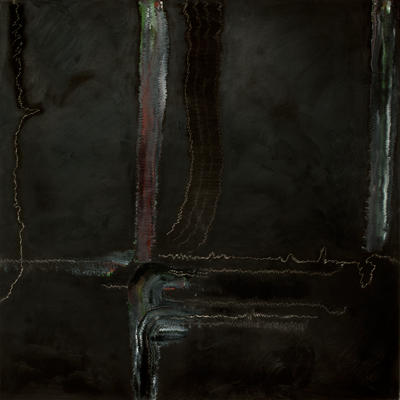
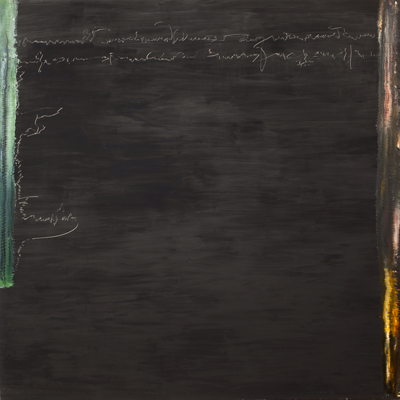
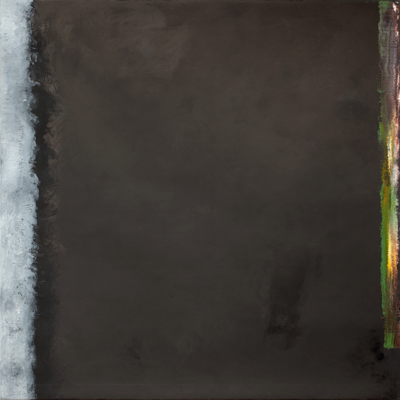
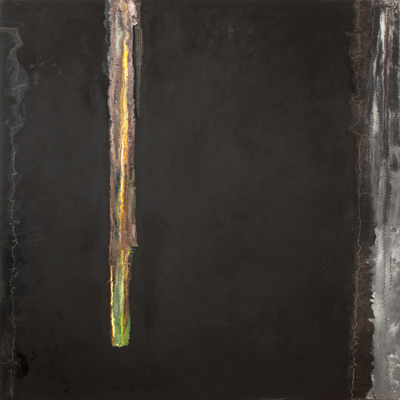
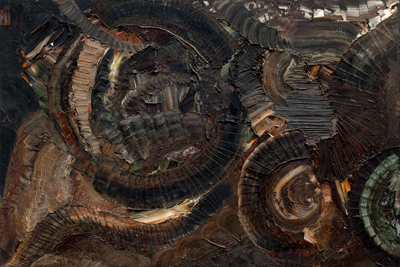
Oil on Canvas 1960 - 76cm x 63.5cm
Oil on Canvas 2011 - 122cm x 122cm
Oil on Canvas 2010 - 122cm x 122cm
Oil on Canvas 2010 - 122cm x 122cm
Oil on Canvas 2010 - 122cm x 122cm
Oil on Canvas 2008 - 122cm x 122cm
Oil on Canvas 2006 - 122cm x 122cm
Oil on Canvas 1985 - 86.5cm x 102cm
Oil on Canvas 1972 - 127cm x 102cm
Oil on Canvas 1965 - 122cm x 102cm
Oil on Canvas 1964 - 122cm x 102cm
Oil on Canvas 1961 - 91.5cm x 122cm
Oil on Canvas 1961 - 61cm x 91.5cm
Oil on Canvas 1961 - 71.5cm x 91.5cm